aesthetic and anti-aging
Many people considering cosmetic procedures often ask, how long do aesthetic and anti-aging treatments last? The answer is not one-size-fits-all, as the longevity of results depends on multiple factors including the type of treatment, individual skin characteristics, age, lifestyle habits, and the expertise of the practitioner. Understanding these variables can help patients set realistic expectations and maintain their results for as long as possible.
Aesthetic and anti-aging treatments encompass a wide range of procedures, from non-invasive options like Botox and dermal fillers to more intensive interventions such as laser resurfacing or surgical facelifts. Each treatment has a different duration of effectiveness. For example, temporary injectable treatments like Botox typically last three to six months, depending on the individual’s metabolism, muscle activity, and lifestyle. Dermal fillers, on the other hand, can last anywhere from six months to two years depending on the type of filler used and the area treated. Understanding these differences is crucial when considering how long do aesthetic and anti-aging treatments last and planning a long-term skincare strategy.
The longevity of Aesthetic and Anti-Aging Treatments is influenced heavily by skin type and condition. Patients with healthier skin and good collagen levels may enjoy longer-lasting results, while those with significant sun damage, smoking habits, or a history of rapid weight fluctuations might see shorter durations of effect. Skin care routines, including the use of sunscreen, moisturizers, and retinoid-based products, can also extend the benefits of treatments. Professionals often advise combining in-office procedures with consistent at-home care to maximize outcomes and maintain results for years.
Lifestyle habits play an equally important role in determining how long do aesthetic and anti-aging treatments last. Factors such as diet, alcohol consumption, sleep quality, and exposure to environmental pollutants directly affect the skin’s resilience and healing capacity. Regular exercise and hydration improve circulation and tissue health, which can enhance treatment longevity. Conversely, neglecting these aspects may accelerate the fading of results, necessitating more frequent touch-ups or maintenance sessions.
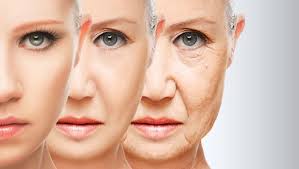
How long do aesthetic and anti-aging treatments last?
Technological advancements have significantly improved the predictability and duration of aesthetic and anti-aging treatments. Modern techniques are more precise, allowing clinicians to target specific layers of the skin or facial muscles for optimal outcomes. For instance, advanced laser treatments can stimulate collagen production over several months, meaning the results continue to improve even after the procedure. Similarly, innovative filler formulations are designed to last longer and integrate more naturally into the skin, providing a more sustained rejuvenation. Understanding how long do aesthetic and anti-aging treatments last in light of these advances helps patients make informed decisions about which procedures are right for them.
Patient age is another critical factor affecting longevity. Younger patients may experience longer-lasting results from less invasive treatments because their skin retains elasticity and regenerates faster. Older individuals, however, may require a combination of treatments or periodic maintenance to achieve and preserve desired results. This is especially true for procedures targeting deeper wrinkles, sagging skin, or volume loss, as aging naturally diminishes the skin’s structural integrity over time. Recognizing these dynamics is essential when considering how long do aesthetic and anti-aging treatments last and setting realistic expectations.
Maintenance schedules are key to prolonging the effects of aesthetic and anti-aging treatments. Many clinicians recommend follow-up appointments tailored to the individual’s treatment type and skin response. Regular assessments allow for timely touch-ups, adjustments in technique, and modifications in skincare routines, all of which contribute to sustained results. Patients who follow these recommendations often report higher satisfaction and a longer period of visible improvement.
It’s also important to note that combining treatments can influence longevity. A multi-modal approach that includes injectables, laser therapy, and skin-tightening procedures often produces more durable outcomes than a single method alone. Each treatment addresses different aspects of skin aging, such as volume loss, fine lines, or texture irregularities, and when used together, they complement one another for more extended results. This holistic strategy underscores the importance of consulting experienced professionals when planning how long do aesthetic and anti-aging treatments last for an individual’s specific needs.
Another consideration is the type of product or device used. Premium-quality fillers, advanced laser machines, and innovative skincare products are designed to deliver more reliable and longer-lasting results. Cutting corners or choosing cheaper alternatives can reduce the duration of effect and compromise overall outcomes. Therefore, selecting the right clinic, experienced practitioner, and high-quality materials is crucial in determining how long do aesthetic and anti-aging treatments last.
In conclusion, how long do aesthetic and anti-aging treatments last varies widely based on treatment type, individual characteristics, lifestyle factors, age, and maintenance practices. While some procedures provide temporary improvement for several months, others can offer long-term rejuvenation that lasts for years. By combining professional expertise, personalized care plans, healthy lifestyle habits, and high-quality products, patients can enjoy optimal results and maintain a youthful, refreshed appearance for an extended period. Understanding these variables empowers individuals to make informed decisions, set realistic expectations, and fully appreciate the benefits of aesthetic and anti-aging treatments.